
Shade Matching & Characterisation
Precision Begins With the Right Image
Most remakes that arrive back at a laboratory have nothing to do with the technician. They come down to what arrived in the first place , the shade photograph, the lighting, the angle, the position of the reference tab. Get the input right and the output mostly takes care of itself. Get the input wrong and even the best material and the most skilled technician are working uphill.
A restoration can only be as accurate as the information we receive, and nowhere is this more critical than in shade photography.
Even with advanced materials like Fusion Zirconia, with its graduated density flow, the technician's ability to mimic natural dentition depends entirely on the quality of the shade reference.
Shade matching is not subjective. It is a controlled, optical process grounded in biology, lighting and technique.
Some Important Rules
No. 1 — Shade Tabs Must Be Turned Edge-to-Edge Natural teeth reflect light vertically, not horizontally. Our eyes interpret shade much more accurately in a linear (up-and-down) comparison than side-by-side.
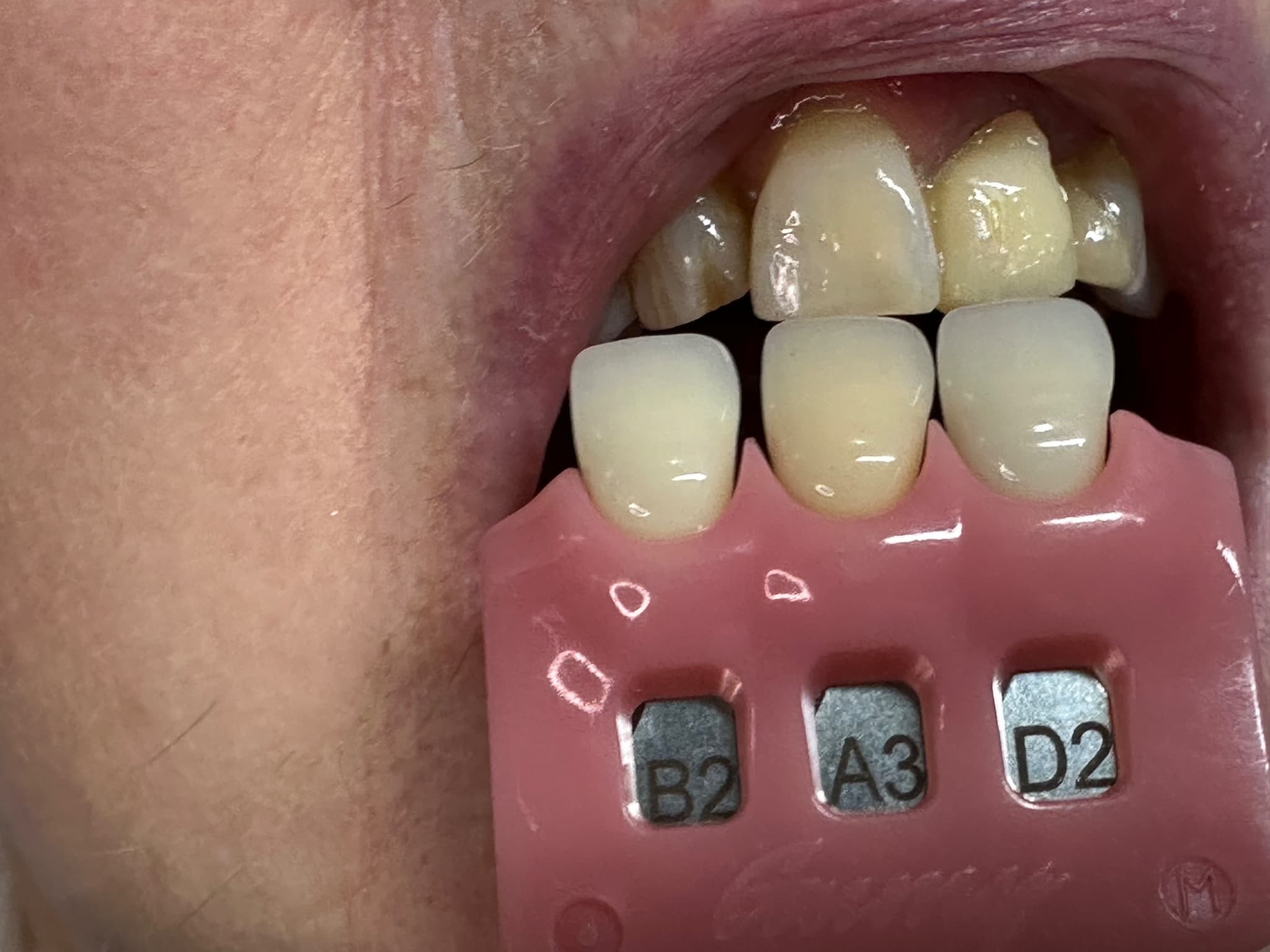
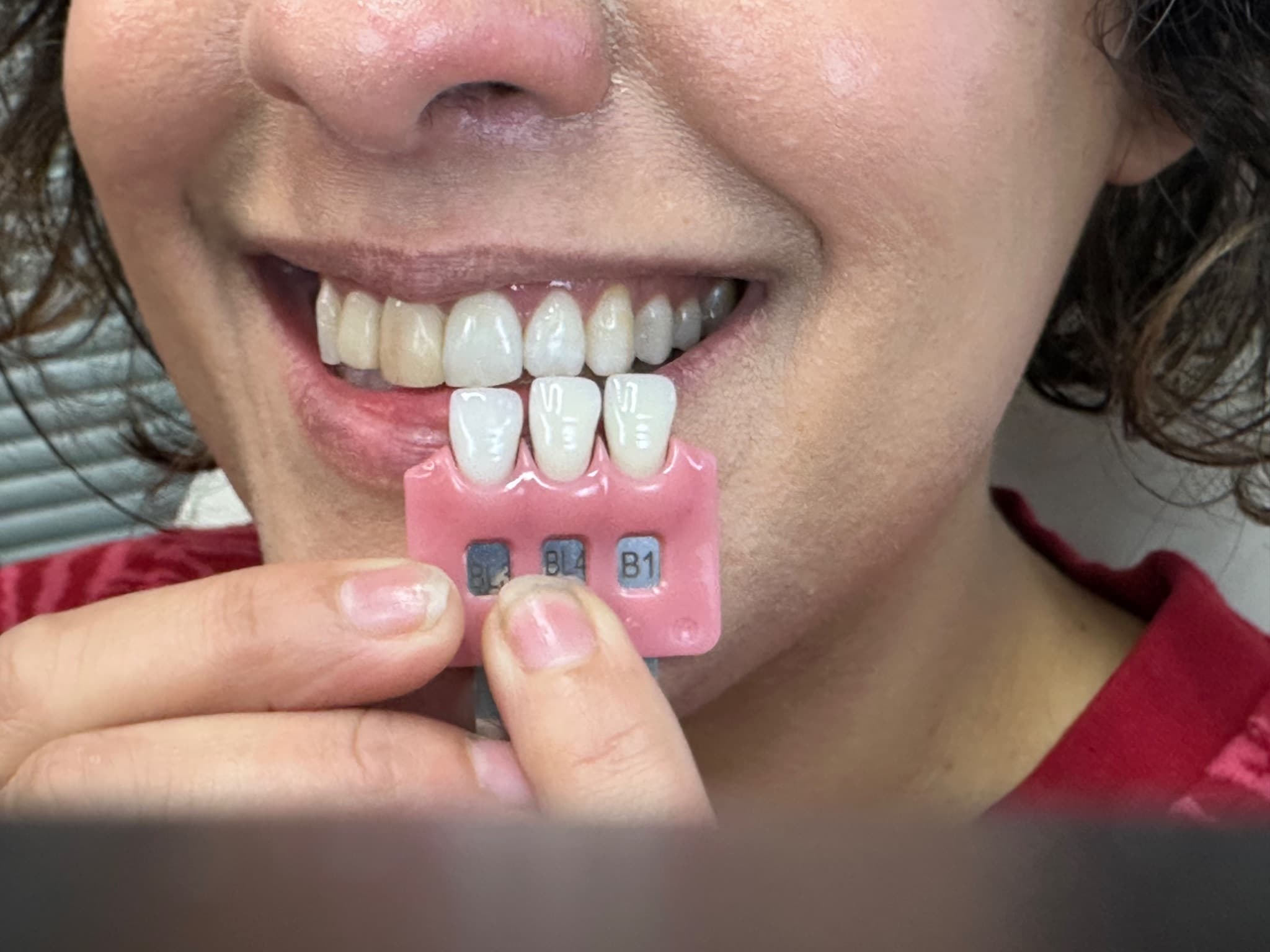
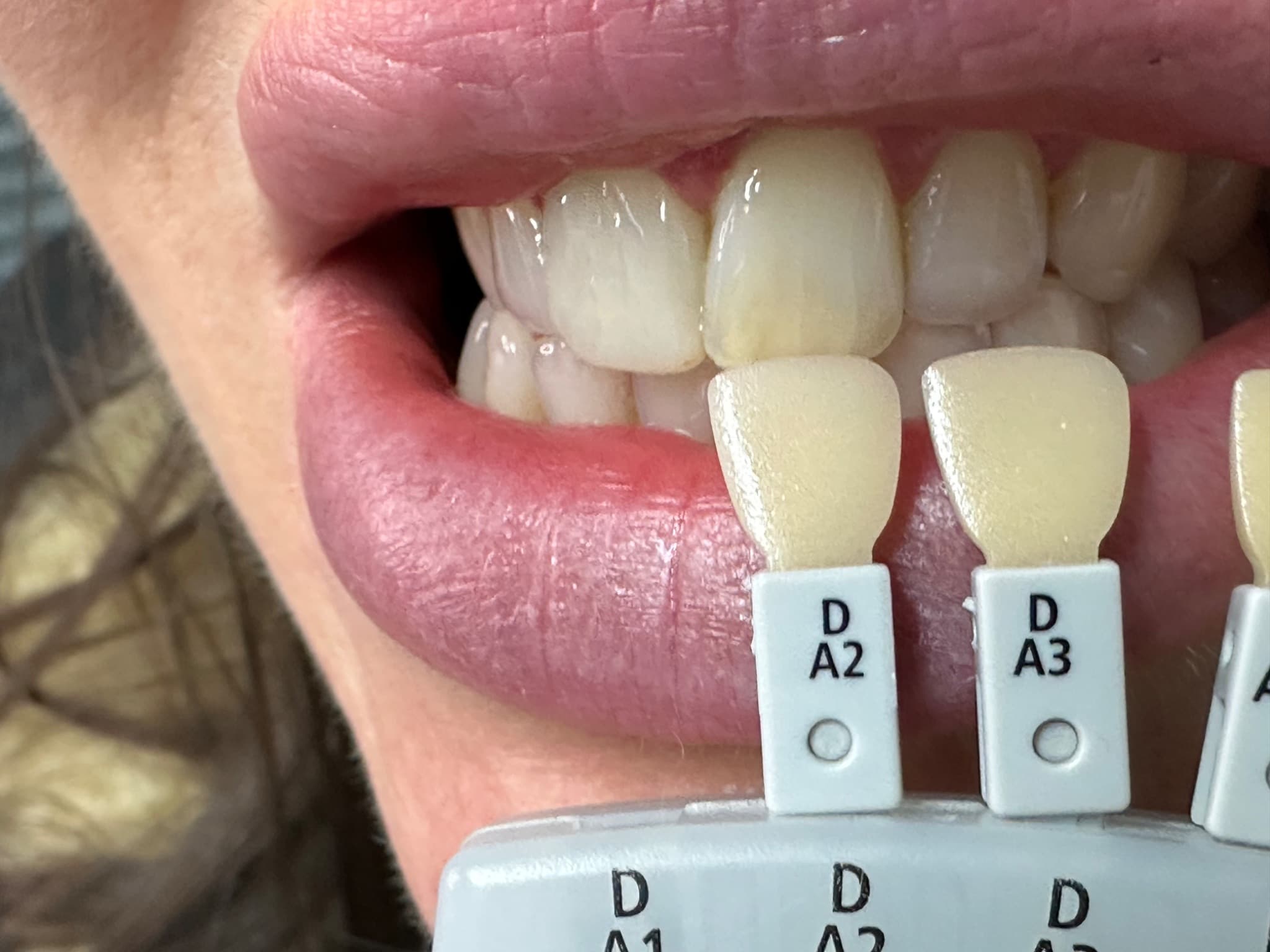
Correct technique:
- Hold the shade tab incisally edge-to-edge with the target tooth.
- Keep both surfaces in the same vertical plane.
- Avoid tilting the tab toward the camera.
- Ensure both tooth and tab receive identical light — this eliminates false brightness and gives a true chroma reading.
No. 2 — Avoiding the Enemy: Light Reflection The biggest cause of shade errors is uncontrolled light.
Try to avoid:
Image shows flash too bright, step down to
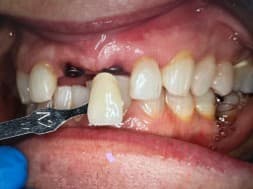
Image shows white patches from flash, use twin flash
- Camera flash spots.
- Overhead ceiling lights.
- Harsh or coloured, non-natural surgery lighting.
- Direct reflections on enamel (large white patches).
Prefer:
- Indirect natural daylight.
- Diffused surgery lighting.
- Multiple light sources if the surgery is dark or windowless.
- A "Natural Flash" setting when flash is unavoidable.
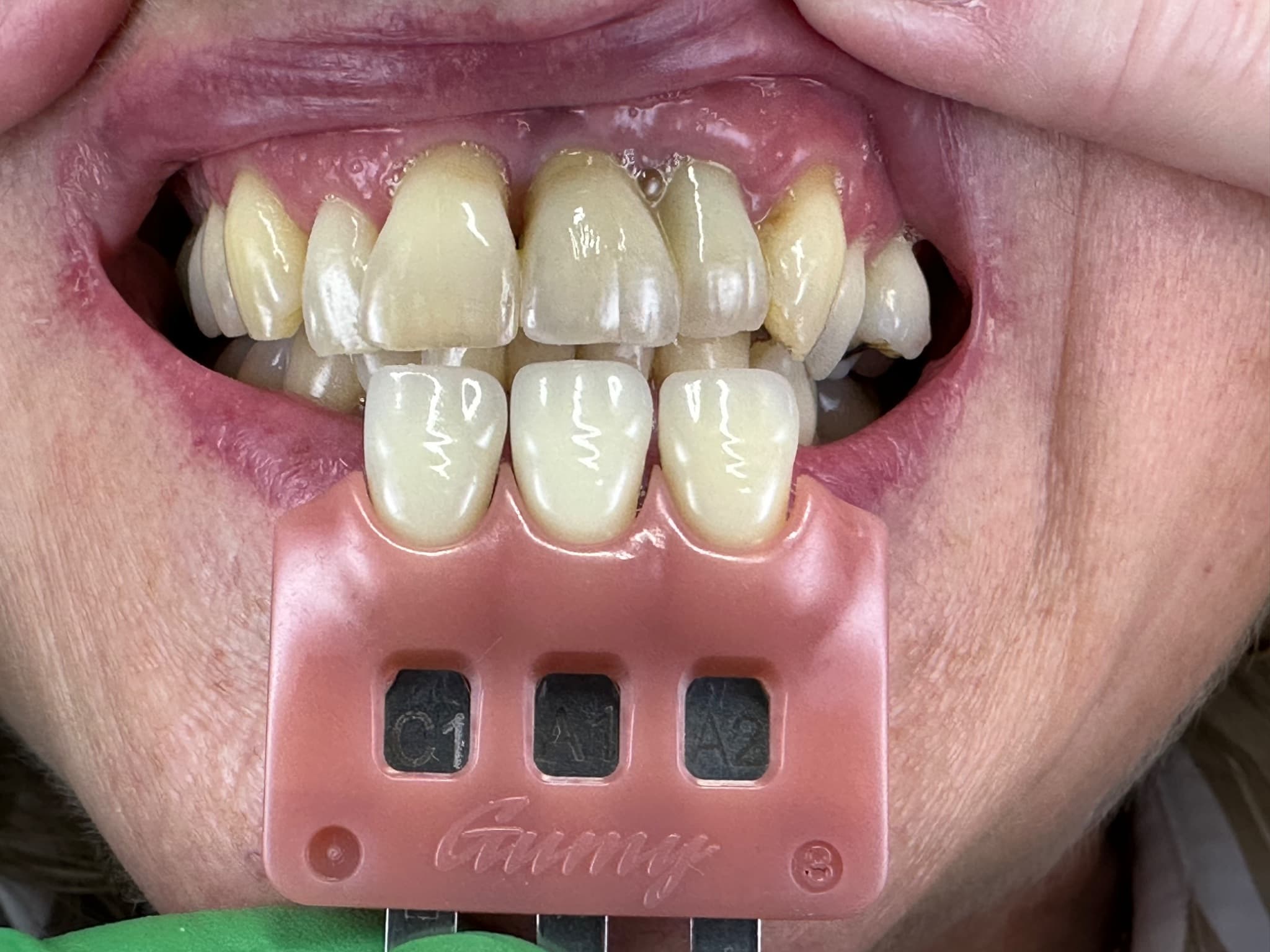
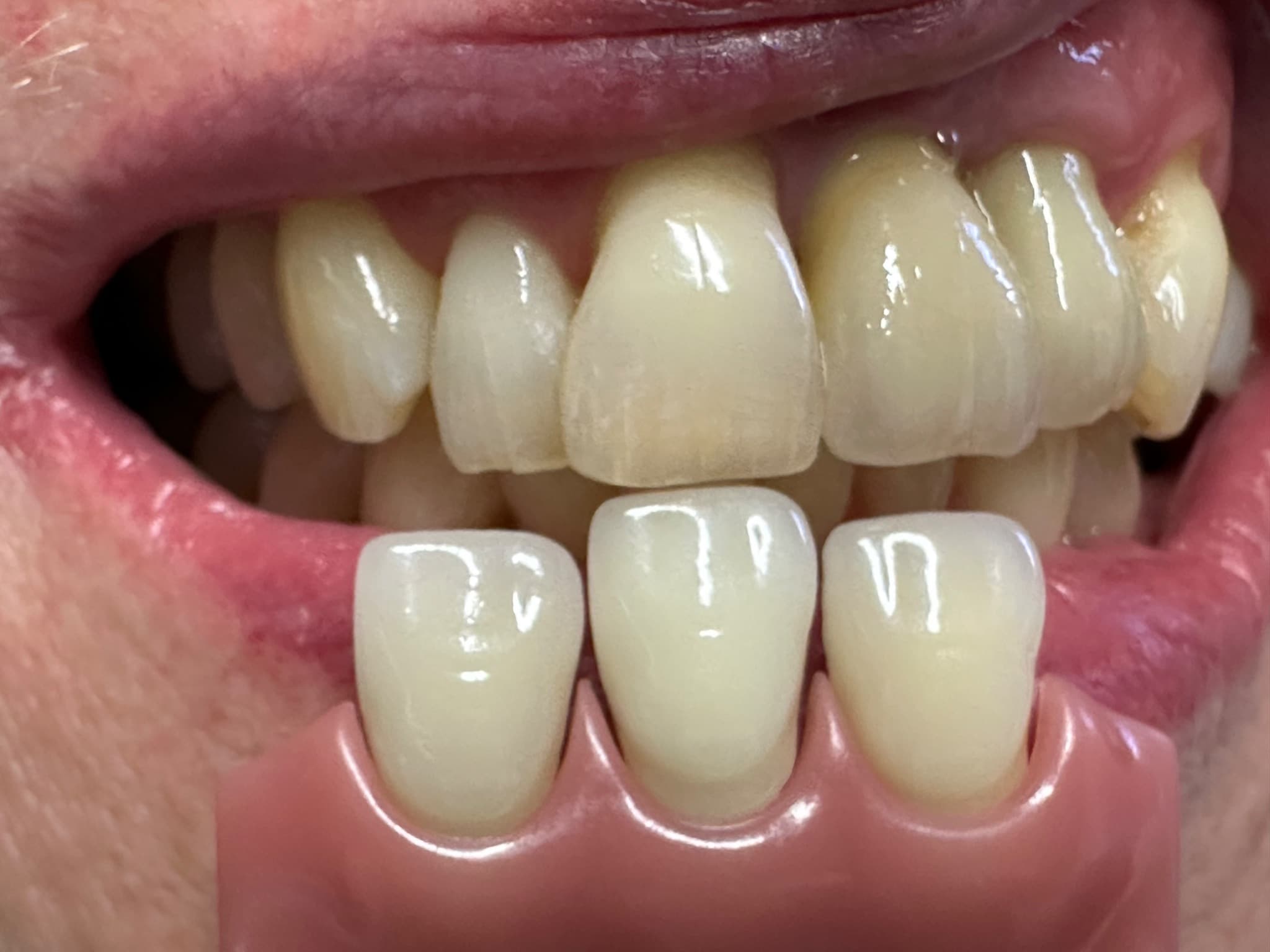
Good shade photography is about controlling light, not adding more of it.
No. 3 — The Female Eye Advantage: Biology Matters This isn't opinion , it's physiology. Research consistently shows that women have, on average, more cone-cell variation in the retina than men, giving the ability to perceive a wider range of subtle colour distinctions, particularly across the warm spectrum that dominates natural dentition.
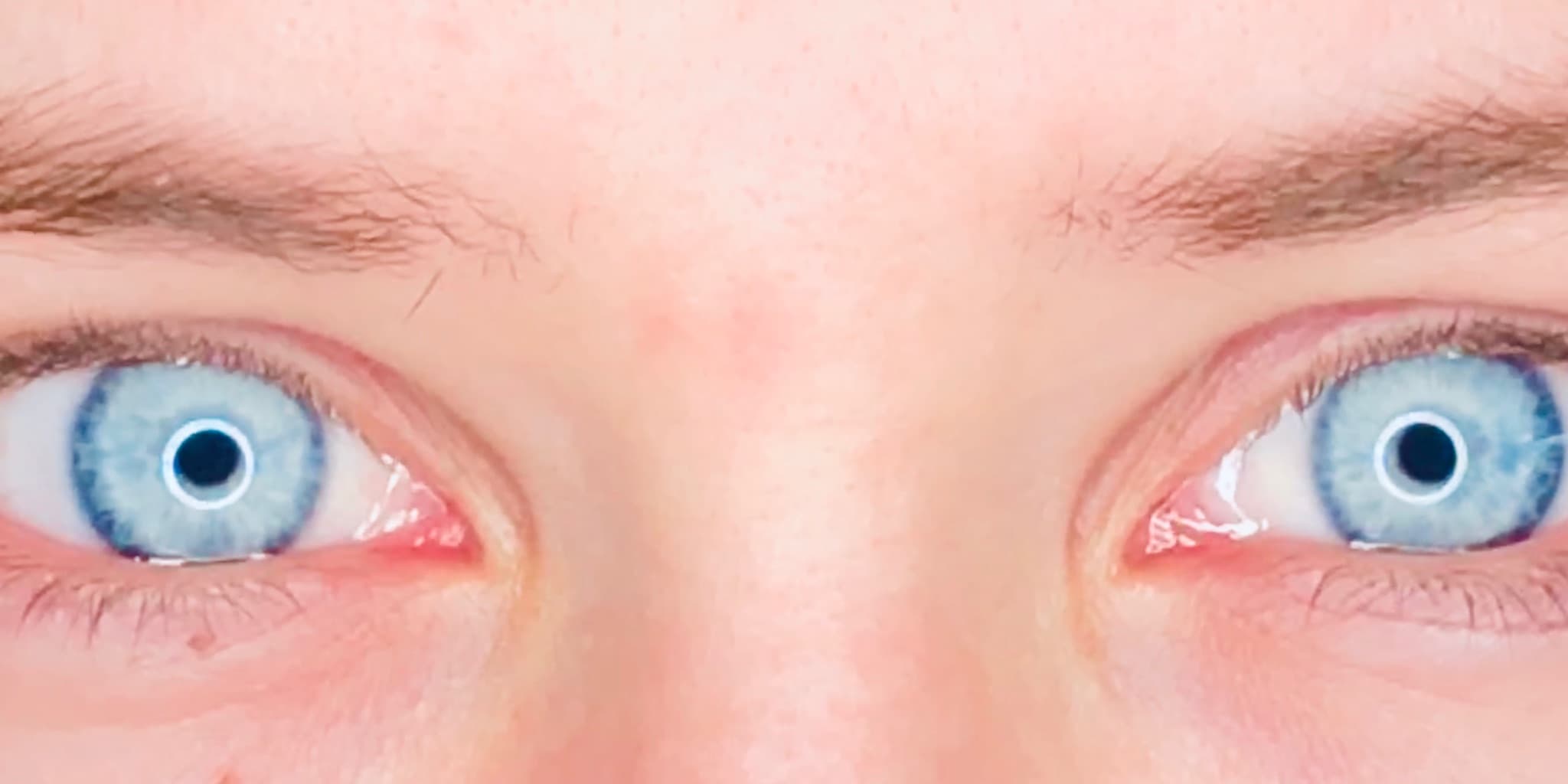
In a high-aesthetic case, this is not a small advantage.
In a high-aesthetic case, this is not a small advantage.
Wherever workflow allows:
- Involve a female team member in shade selection.
- Or, better still, make the decision clinically with the patient present.
- Use multiple observers when matching single centrals or high-aesthetic cases.
Shade matching is a team sport , and biology gives some players an edge.
No. 4 — Capturing Character: The Details That Matter A shade photo is not just a colour reference , it's a map of the tooth's identity. The same tooth, photographed from different angles, will reveal different characteristics, and all of them matter.
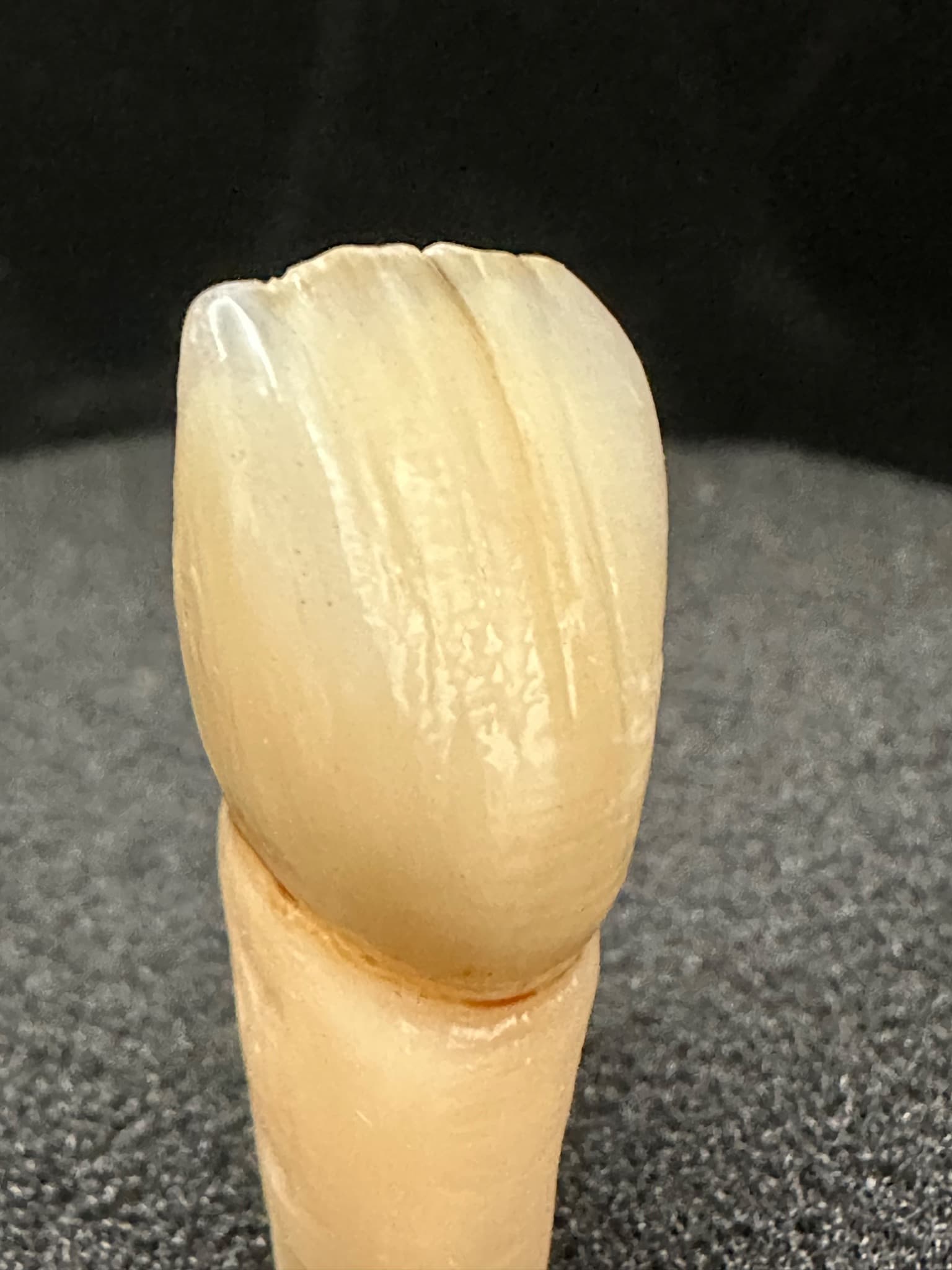
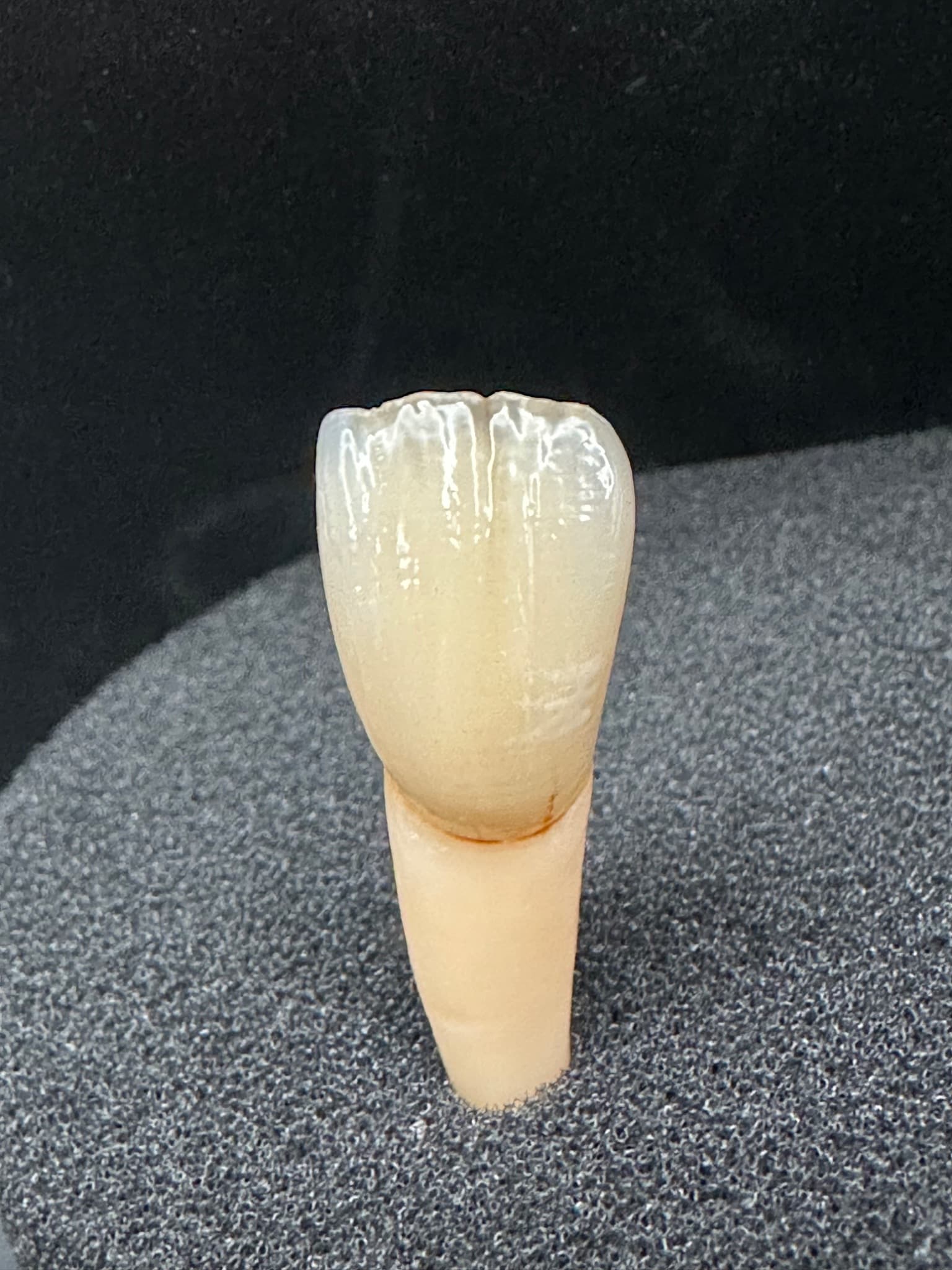
Key features to capture:
- Incisal translucency — depth, hue, gradient.
- Surface texture — youthful versus mature.
- Internal character — mamelons, warmth, halo effects.
- Cervical saturation — warm, neutral or cool.
- Light behaviour under different angles.
These details allow us to position the design precisely within the Fusion Zirconia puck raising or lowering the restoration to capture the exact balance of chroma and translucency needed to mimic the patient's natural tooth.
Why This Matters Clinically
When shade photography is done correctly:
- Restorations blend seamlessly.
- Fusion Zirconia's graduated density can be used to its full potential.
- Characterisation becomes subtle rather than compensatory.
- Remakes are dramatically reduced.
- Patients see a tooth, not a crown.
Shade matching isn't a formality. It's the first step in achieving the Ambridge Standard.
If you'd like a shade photography protocol for your practice, or you'd like one of our team to talk through your current setup, get in touch with Ambridge Ceramics on 01765 607347 or info@ambridgeceramics.com. We're always happy to help — the earlier we're involved in a case, the better the outcome.
“Excellence isn’t automated. It’s intentional.”
Talk a Case Through With Us
Have a case where the material choice is in question? Get in touch before work begins , we are always happy to discuss indications, options and anticipated outcomes.
Send a case →Ambridge Ceramics
A multi‑award‑winning UK dental laboratory based in Ripon, North Yorkshire.
Premier House, Kiln Court, College Rd, Ripon HG4 2BP, United Kingdom
- Digital accuracy supported by human expertise.
- Technician‑led decision‑making at every stage.
- Materials chosen for longevity, not convenience.
- Aesthetic outcomes guided by real‑world function.